
PTSD Therapy for Veterans
Service can follow you home long after you leave. Online PTSD therapy across Arizona, at a pace that respects what you have carried.
01
When the transition is harder than expected

Leaving the military can mean losing a structure, a mission, and the people who understood you without explanation. Some veterans find that the hardest part of service shows up only after they are home. Others feel fine for years until a move, a loss, or a news story brings it back. PTSD does not always look like the movies. It can look like irritability, poor sleep, long hours at work, or a sense that civilian life feels flat.
02
What PTSD can feel like day to day
You might stay on alert in crowds, avoid certain places, or react strongly to loud sounds. Memories or dreams can arrive uninvited. Some veterans carry guilt or anger about things that happened, or things that did not, and do not know where to put it. Relationships can strain when you feel distant from the people closest to you. None of this means something is wrong with you. It reflects what your mind and body learned in order to get through.
03
Approaches we may use
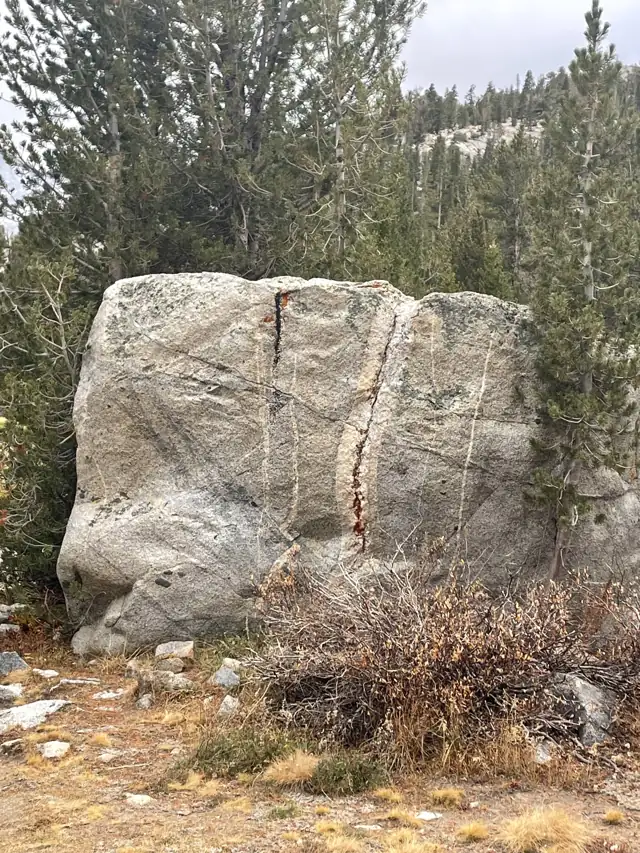
We start by building steadiness, because nobody should be asked to dig into hard memories without footing. From there, Cognitive Processing Therapy looks at the beliefs that formed around what happened, such as blame or a sense that the world is unsafe. EMDR works with specific memories using eye movements or tapping. Somatic work helps when the stress lives more in the body than in words. We explain each option and you decide what fits.
04
You choose what to share
You do not have to tell your whole story in the first session, or ever in one sitting. Many veterans prefer to start with sleep, anger, or what is going on at home. Some want to talk about service right away. Either is fine. Our role is closer to a trail guide than a commander. We help you understand the terrain, and you keep authority over your own life and your own pace.
05
Payment and practical steps

Sessions are online across Arizona and last 55 minutes. We are in network with some commercial plans, including Blue Cross Blue Shield of Arizona, Aetna, and UnitedHealthcare / Optum, and can provide superbills for out-of-network reimbursement. Ask during the consultation how your coverage applies; we do not promise coverage. Intake / assessment session: $220. Ongoing sessions (55 minutes): $160. If you are in crisis, call or text 988 and press 1 for the Veterans Crisis Line, or call 911.
Questions
Before You Begin
Do I need a PTSD diagnosis to start?
No. Many people begin because something feels off. Diagnosis, if relevant, is part of a careful assessment, not a requirement to reach out.
Do you take VA Community Care or TRICARE?
Ask during the free consultation. We can talk through your current coverage, out-of-network superbills, and sliding scale eligibility. Sliding scale is available for those who qualify. Ask us about our sliding scale when you reach out.
Can my partner join a session?
Our services are individual therapy. If you want to involve someone close to you at some point, raise it with your clinician and talk through whether it fits.
Keep Reading