
Therapy for BIPOC Adults
You deserve a therapy space where your full story counts, including race, culture, and community. Online across Arizona.
01
Being seen as a whole person

For Black, Indigenous, and other people of color, stress and trauma do not happen in a vacuum. Experiences of racism, being the only one in the room, family history, and community expectations can shape how hard things land and how safe it feels to talk about them. Our approach starts with being seen and understood. You should not have to explain or defend your experience before we can help you work with it.
02
What people often bring
BIPOC adults come to therapy for the same range of reasons anyone does: trauma, grief, anxiety, low mood, an accident, a medical experience. Some also want space to talk about discrimination at work or school, the weight of representing a family or community, generational trauma, or the exhaustion of code switching. You can bring all of it or only the part that feels most pressing right now. There is no right way to start.
03
Questions you can ask us
It is fair to ask a therapist how they think about race and culture before you begin. You might ask how they would respond if you raised an experience of racism, how they handle it when they get something wrong, and whether your cultural or spiritual practices can be part of the work. Ask about clinician fit during the free consultation. A good fit matters, and we would rather you ask than wonder.
04
How sessions can work
We start with what is happening now and build steadiness before going near hard memories. Depending on what fits, sessions may draw on EMDR, Cognitive Processing Therapy, somatic work, or Internal Family Systems. You remain the expert on your own life and culture. Our role is to help you understand the terrain and find your own way forward, at a pace that feels respectful rather than rushed.
05
Practical details
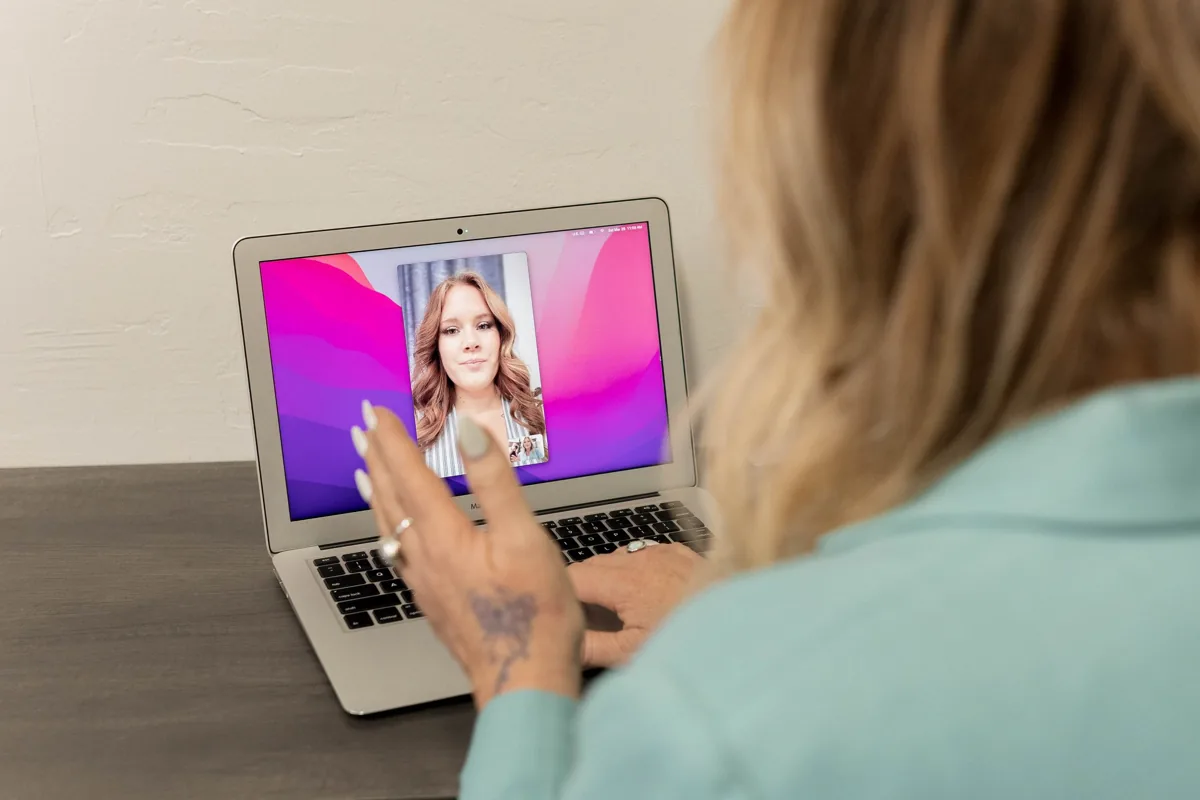
Sessions are online across Arizona, 55 minutes, typically once or twice weekly. We are in network with Blue Cross Blue Shield of Arizona, Aetna, and UnitedHealthcare / Optum, offer superbills for out-of-network plans. Sliding scale is available for those who qualify. Ask us about our sliding scale when you reach out. Intake / assessment session: $220. Ongoing sessions (55 minutes): $160. Our practice works in English and Swahili; ask about current availability. A request is not an appointment; the practice confirms a time.
Questions
Before You Begin
Can I talk about racism at work in therapy?
Yes. Experiences of discrimination are a legitimate thing to bring to therapy, whether they are recent or long past.
Can I ask about a clinician's background before starting?
Yes. Ask during the free consultation about clinician fit and anything that would help you feel comfortable.
Is this a separate program?
No. It is individual therapy, the same service we offer everyone, with room for your full context.
Keep Reading