
The Smiles Way
The values behind how we work: Remember How To Be Human™, invitation instead of pressure, and a therapist who walks alongside you like a trail guide.
01
Remember How To Be Human™

At the center of our practice is a simple idea: you are more than a diagnosis, an injury, or what happened to you. Trauma can make people feel like a case to be managed or a problem to be solved. We want therapy to feel like the opposite. Remembering how to be human means making room for rest, connection, curiosity, and joy again, alongside the hard work of healing, at a pace that respects your life.
02
An invitation, not a demand
Meaningful change tends to begin with invitation. In practice, that means we offer ideas and you decide what fits. You are invited to pause, to breathe, to explore, and to take the next step that feels right, without pressure to move faster than you are ready. You can say no, ask why, or ask to slow down. Choice is part of how safety returns after experiences that took choice away.
03
A trail guide, not a director
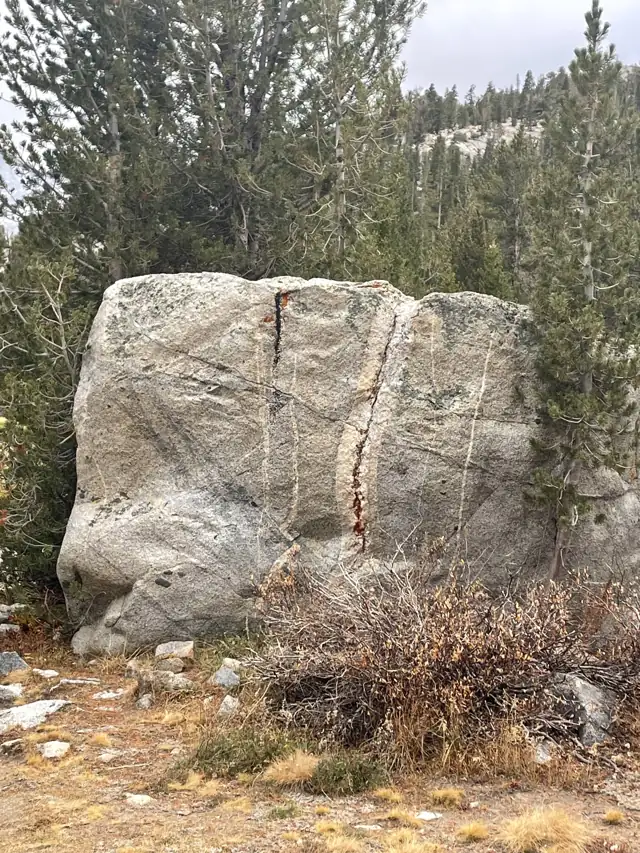
We think of the therapist as a trail guide. A guide understands the terrain, knows where the path gets steep, and carries tools for the climb. A guide does not decide where you are going or criticize where you begin. You are the expert on your own life. Your therapist brings knowledge of trauma and skill with approaches like EMDR. Together you find your own way forward. The path is yours; the guide helps you read it.
04
Healing as becoming
We do not frame healing as getting back to who you were before. Nature is a helpful picture here. A landscape shaped by fire or flood does not return to what it was; it adapts and grows into something new. People can do the same. You are not broken. You are becoming. That is not a promise about outcomes. It is a way of seeing yourself that leaves room for change. It is an invitation, not an expectation.
05
What you can expect from us

You can expect to be seen, understood, supported, and empowered. That looks like plain explanations instead of jargon, sessions that start with connection, and treatment plans shaped around you rather than only a diagnosis. It looks like honest conversations about fit, pacing, and practical things like insurance. If you would like to see whether this way of working feels right, a free 15-minute consultation is a gentle place to begin.
Questions
Before You Begin
Is The Smiles Way a type of therapy?
No. It describes the values that guide how we work. Therapy itself may include approaches like EMDR, CBT, DBT, IFS, somatic, mindfulness-based work, and Neuroscience-Informed Meditation Practices. We incorporate neuroscience-informed, evidence-based meditation practices to support awareness, emotional regulation, and the mind-body connection.
Why so much about nature?
Nature is part of the founder's own story and a reminder that growth after hard seasons is possible.