
You Are Not Broken. You Are Becoming.
After trauma, many people feel damaged or permanently changed. Here is a different way to understand what has happened to you.
01
The story trauma tells

After something overwhelming, it is common to think, "Something is wrong with me," or "I should be over this." You might compare yourself to who you were before and feel you have lost ground. Those thoughts are understandable. They are also part of how trauma affects the way people see themselves. Your reactions developed to help you survive. They may no longer fit your life, but they are not proof that you are damaged.
02
Your reactions made sense
Being on alert, avoiding certain places, feeling numb, or snapping at people you love can all be ways the body and mind tried to keep you safe. Seeing them this way does not make them easier to live with right away. It can make it easier to talk about them without shame. In therapy, we get curious about these patterns rather than judging them, and that curiosity often opens space for change.
03
Not going back, going forward
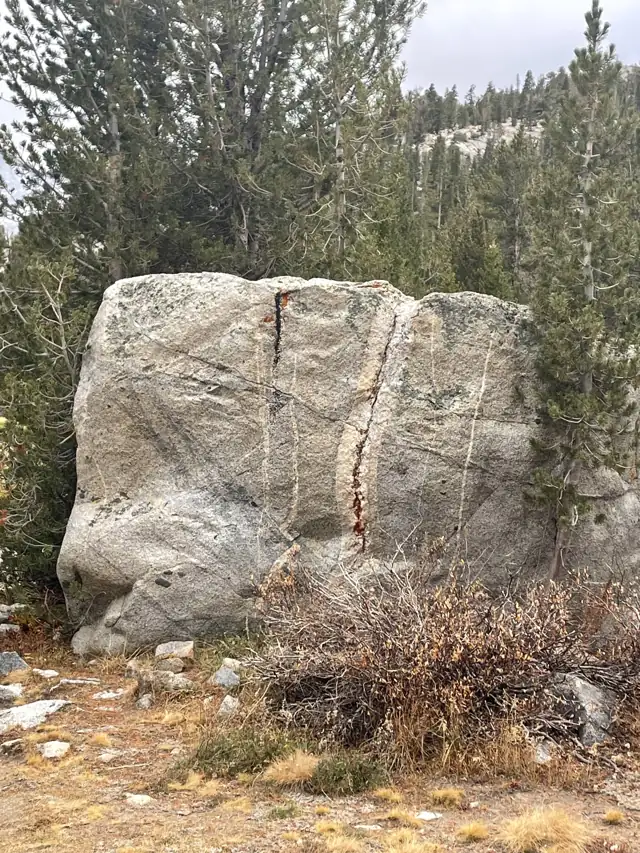
Many people come to therapy hoping to return to exactly who they were before. That wish is real and worth honoring. Still, healing is not about becoming who you were before. People adapt after hard seasons, the way a landscape grows differently after a storm. You may keep parts of your old self, let go of some, and discover new ones. You are not broken. You are becoming. Both can be true at once.
04
What this can look like day to day
Becoming is often quiet. It might be driving a route you avoided, sleeping a little better, laughing at dinner without guilt, or noticing you were present for an afternoon. It might be setting a boundary or asking for help. These moments are not a test you pass or fail. In therapy, you and your therapist can notice them together and decide what the next step looks like. Small shifts still count.
05
A place to start

You do not need to believe any of this yet. You only need to be willing to have a conversation. Our practice works online across Arizona with teens 14 and older and adults. A free 15-minute consultation is a chance to ask questions and see if we feel like the right fit. A request is not an appointment; the practice will reach out to confirm. There is no pressure to commit to anything on that first call.
Questions
Before You Begin
Does this mean my symptoms are not serious?
No. Your experience matters. This is about how you see yourself, not about minimizing what you are going through.
What if I do not feel like I am becoming anything?
That is common. Therapy does not require you to feel hopeful at the start.
Keep Reading